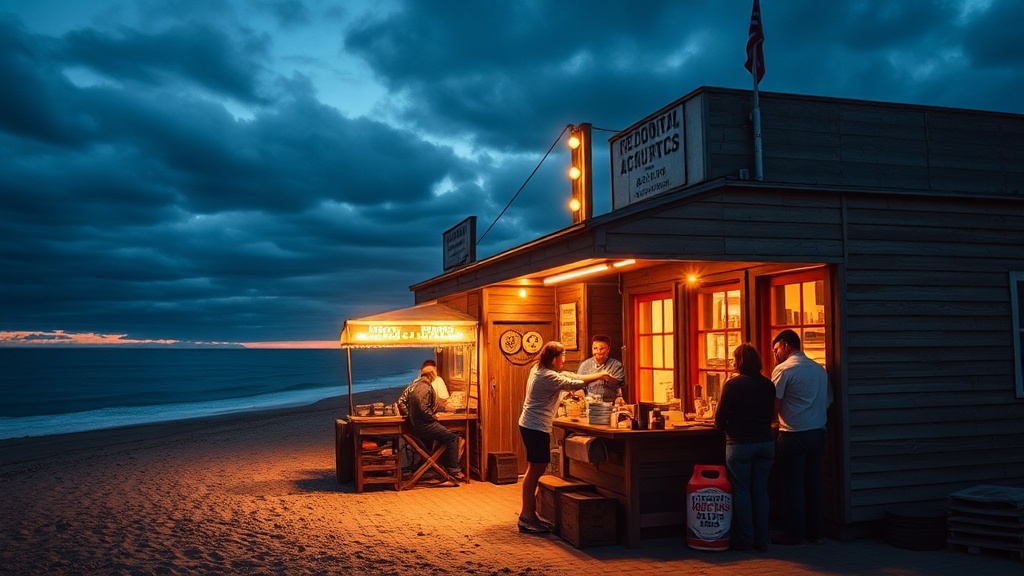
Exploring the Best Seasonal Seafood Shacks Along the South Shore

Imagine pulling your car into a gravel lot just as the fog begins to lift, the smell of salt air mixing with the scent of frying batter. You're looking for a specific spot—maybe a small shack in Lunenburg or a roadside stand near Mahone Bay—that serves lobster rolls that actually taste like the ocean, not a grocery store deli. This guide tracks the best seasonal seafood shacks along the South Shore of Nova Scotia, focusing on where to find the freshest catches, how to avoid the tourist traps, and what to order when the menu is limited.
The South Shore isn't just about scenery; it's about the food that comes straight off the boats. We're talking about lobster, scallops, and cod that were likely swimming in the Atlantic a few hours ago. But let's be real—not every roadside stand is worth your time or your money. Some are gems, while others are just overpriced for the view.
Where Can I Find the Best Lobster Rolls on the South Shore?
The best lobster rolls are found at small, family-run operations in towns like Lunenburg, Mahone Bay, and Chester, where the focus is on the quality of the meat rather than fancy garnishes. Look for places that serve "New England style" (cold meat, mayo, toasted bun) or "Connecticut style" (warm meat, butter) depending on your preference.
If you want the real deal, you have to time your visit correctly. Many of these shacks only operate from late May through October. If you show up in February, you'll find a locked door and a very empty parking lot. It's a seasonal economy, and the food follows suit.
Here is a breakdown of what to look for in a top-tier seafood shack:
- The Bun: It should be toasted in real butter, not just warmed up. A soggy bun is a dealbreaker.
- The Meat: Look for large chunks of lobster meat. If the roll is mostly bread and tiny scraps, keep driving.
- The Seasoning: Minimal is better. You want to taste the lobster, not a heavy hand of Old Bay or excessive lemon juice.
- The Vibe: A true shack usually has limited seating—often just picnic tables—and a menu that changes based on what the local Department of Fisheries and Oceans allows for the season.
A good rule of thumb? If the menu is one page and the owner is wearing a yellow raincoat, you're in the right place. It's a bit of a gamble, but that's the fun of it. You might end up with the best meal of your life or a mediocre sandwich, but the risk is part of the Atlantic experience.
The Difference Between Lobster Styles
People get very passionate about this. It's almost as much a debate as the weather. Depending on where you stop, you might encounter different styles of service.
| Style | Primary Fat | Temperature | Best For |
|---|---|---|---|
| New England | Mayonnaise | Cold | Hot summer afternoons |
| Connecticut | Warm Butter | Warm | Chilly coastal evenings |
| Traditional Shack | Light Butter/Oil | Warm | Eating with your hands on a pier |
One thing to note—don't expect a white tablecloth experience. These are shacks. You'll likely be eating on a wooden bench or standing near your car. It's part of the charm. It's also a great way to see how seasonal shifts impact the local economy in real-time. When the seafood is in, the crowds arrive. When it's out, the towns go quiet.
How Much Does a Seafood Meal Cost in Nova Scotia?
Expect to pay between $25 and $45 CAD for a high-quality lobster roll or a seafood platter at a reputable South Shore shack. Prices fluctuate based on the market price of lobster, which can change weekly depending on the season and catch volume.
It's not cheap. Lobster is a premium product, and you're paying for the freshness and the proximity to the source. If you see a sign for "Lobster Dinner" for $15, be skeptical. It's either a very small portion, or the quality isn't what you'd expect from a local purveyor. I'd rather pay $35 for a stellar roll than $15 for something that tastes like it came from a can.
When budgeting for a coastal road trip, keep these general price points in mind:
- Lobster Rolls: $28 - $40 (depending on size and location).
- Fish and Chips: $16 - $24 (usually local cod or haddock).
- Lobster Thermidor/Platters: $50+ (usually found in more established restaurants rather than shacks).
- Clam Chowder: $10 - $15 (a great side or light lunch).
The catch? If you're visiting during the peak of July or August, prices might creep up, and the wait times can be significant. You'll often see lines stretching around the corner of a building in Lunenburg. My advice? Go for an early lunch. By 1:30 PM, the lunch rush is dying down, and you'll likely get your food much faster.
It's also worth checking the local Wikipedia page for Lobster just to understand the biology and the harvest cycles, though I'd rather spend my time actually eating it than reading about it. Understanding the harvest helps you realize why the menu changes so much. You can't force the ocean to produce what you want on demand.
What Are the Best Seafood Dishes to Order?
The best dishes to order are those that rely on a single, high-quality ingredient, such as a classic lobster roll, scallops, or a fresh cod chowder. When the menu is short, trust the chef—or the person behind the counter—and order the house specialty.
If you see scallops on the menu, get them. The South Shore is famous for its scallops, and they are often incredibly sweet and tender. Whether they are seared or served in a chowder, they are a staple for a reason. A side of fries is almost mandatory, but don't let them distract you from the main event.
Here are my top three recommendations for a South Shore seafood run:
- The Classic Lobster Roll: Focus on the meat. If they offer a choice of bread, go for the brioche or a toasted sourdough.
- Fish and Chips: Look for places that use fresh-caught Atlantic cod. The batter should be crispy, not greasy.
- Seafood Chowder: This is the ultimate comfort food. It should be creamy but not so thick that it feels heavy. It should have chunks of potato and actual seafood, not just a flavored broth.
One thing to keep in mind—don't be afraid to ask what was caught today. If a place says they just got a fresh shipment of scallops or mussels, jump on it. That's the difference between a good meal and a great one. It's also a good way to gauge how much they actually care about their inventory. If they can't tell you what's fresh, move on.
I've found that the best spots often don't even have a formal menu. They might just have a chalkboard or a printed sheet that changes daily. This is a sign of a true seafood shack. It means they are working with what the ocean provides, rather than trying to maintain a static menu year-round. It's a bit more unpredictable, but that's the nature of living on the coast.
If you're looking for something a bit more substantial than a roll, look for the "Lobster Supper" spots. These are often more traditional, involving multiple courses and a sit-down setting. They are a staple of Atlantic Canadian culture and a great way to experience the local way of eating. It's a slower, more deliberate way to enjoy the food, which is a nice change of pace from the quick-service vibe of the shacks.