Growing a Successful Garden by the Sea in Mahone Bay: A Practical Guide

Growing a Successful Garden by the Sea in Mahone Bay: A Practical Guide
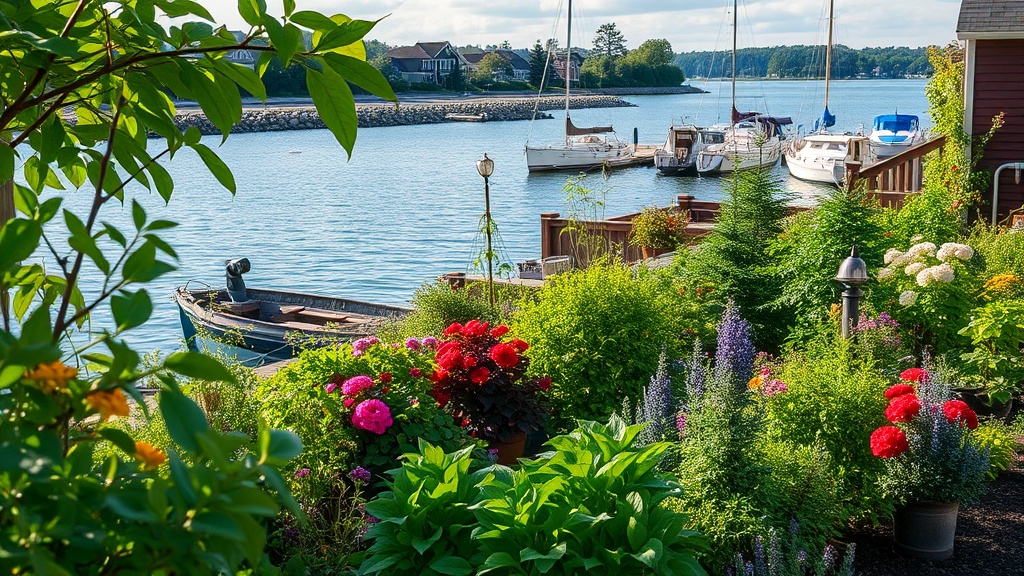
This guide will show you how to cultivate a flourishing garden right here in Mahone Bay, addressing the specific environmental factors that make coastal gardening both challenging and uniquely rewarding. We'll explore how to work with our distinctive maritime climate, select plants that genuinely thrive by the shore, and implement strategies to protect your green space from the Atlantic's embrace. Whether you're a seasoned gardener new to the coast or just starting your first patch of green, you'll learn actionable steps to create a beautiful, productive garden that stands up to the elements.
What makes gardening in Mahone Bay different?
Gardening along the South Shore isn't like growing inland; our proximity to the Atlantic Ocean introduces a set of variables that demand a thoughtful approach. The primary factors you'll contend with are the omnipresent wind, intermittent salt spray, and often diverse — or sometimes difficult — soil conditions. Mahone Bay experiences everything from gusty breezes that can desiccate foliage and physically damage plants, to occasional salt-laden mists carried inland during storms, which can burn leaves and stunt growth.
Our soils often present a mixed bag. You might find sandy loam in some areas, offering good drainage but low nutrient retention, while other spots could be heavy clay, prone to waterlogging. It’s also not uncommon to encounter rocky, thin topsoil, a legacy of our glacial past. Understanding your specific soil type is a cornerstone of successful coastal gardening. A simple soil test — easily done through provincial agricultural services — can give you a precise picture of your soil’s pH, organic matter content, and nutrient levels, guiding your amendment strategy.
Beyond soil and immediate elements, microclimates play a significant role. Even within a few blocks, you might find sheltered spots that retain warmth, allowing for earlier planting, or exposed areas that face the full brunt of prevailing winds. Observing how the wind moves through your property, where the sun falls at different times of day, and where frost lingers will help you strategically place plants and create protective barriers. These aren't obstacles to overcome so much as characteristics to work with, to design a garden that’s in harmony with its surroundings.
Which plants thrive by the Mahone Bay shore?
Choosing the right plant for the right place is perhaps the single most impactful decision you'll make in a coastal garden. Forget about trying to force delicate, sun-loving annuals directly into a windswept, salty exposure. Instead, focus on species known for their resilience and adaptability to maritime conditions. There are plenty of beautiful and productive options.
For vegetables, many root crops do well because their edible parts are underground, protected from surface conditions. Carrots, beets, and potatoes can often manage. Leafy greens like kale and Swiss chard, particularly hardier varieties, often tolerate some exposure, though a bit of shelter helps significantly. Consider cool-season crops too; our relatively mild summers (compared to inland) can extend their growing season. Try spinach, lettuce, and peas, perhaps planted slightly later for a fall harvest or earlier in a protected spot.
Herbs are often surprisingly tough. Thyme, rosemary, lavender, and sage, with their generally woody stems and sometimes silvery, fuzzy leaves, are naturally adapted to dry, windy, and even somewhat salty conditions. Mint, while needing some moisture, is notoriously vigorous and often thrives. These aromatic plants not only offer culinary delight but also add texture and fragrance to your garden.
When it comes to flowers and ornamental plants, look for varieties native to coastal areas or those with characteristics that offer natural protection. Many evergreens, especially conifers, are excellent choices; their needle-like leaves minimize water loss from wind. Beach roses (Rosa rugosa) are practically made for coastal life, shrugging off salt spray and wind while providing vibrant blooms and hips. Sea lavender, Sedum, Daylilies, and many varieties of ornamental grasses are also well-suited. They can add color and movement without demanding constant fuss.
Don't overlook shrubs and trees. They provide critical shelter for other plants. Serviceberry (Amelanchier), Bayberry (Myrica pensylvanica), and certain varieties of Willow can act as living windbreaks. When selecting woody plants, ensure they're rated for your USDA Hardiness Zone (Mahon Ebay generally falls into Zone 5b/6a) and noted for salt tolerance. Your local nursery, familiar with regional conditions, will be an invaluable resource for specific recommendations. You can also consult resources like Perennia Food and Agriculture Corporation for Nova Scotia-specific guidance on plant selection and soil health.